Seeds.id, an innovative marketing e-commerce firm originating from Indonesia, has strategically positioned itself as a vital intermediary, bridging small and medium enterprises (SMEs) globally to the lucrative Indonesian consumer market. Utilizing warehouses strategically located in Singapore and Jakarta, Seeds.id efficiently navigates the logistical complexities of international trade, allowing overseas businesses to tap into Indonesia’s thriving e-commerce sector with minimal upfront investment. This approach has become increasingly relevant in recent years, especially amid escalating global trade tensions, notably those triggered by the tariff wars initiated under former U.S. President Donald Trump’s administration. As tariffs heightened trade barriers, businesses worldwide sought alternative routes to sustain their international growth, thus amplifying the demand for efficient market-entry platforms like Seeds.id.
Indonesia, home to approximately 280 million consumers, has rapidly evolved into a prominent digital marketplace, driven by rising internet penetration rates and widespread adoption of mobile commerce. Statistically, the country’s e-commerce market reached a substantial valuation of approximately USD 59 billion in 2023 and is projected to expand significantly, reaching USD 95 billion by 2025. Prominent marketplaces such as Tokopedia, Shopee, and Lazada dominate this landscape, attracting millions of active buyers each day. Seeds.id smartly leverages this infrastructure by providing SMEs seamless integration into these established platforms, drastically reducing the hurdles typically associated with cross-border commerce. Their dual-warehouse strategy, leveraging Singapore’s status as a global logistics hub and Jakarta’s proximity to end-consumers, ensures shorter delivery times, lower operational costs, and superior customer satisfaction.
Singapore’s role in this equation is crucial due to its position as Southeast Asia’s logistics powerhouse, boasting one of the world’s busiest seaports and airports. Singapore efficiently handles more than 36 million containers annually, coupled with Changi Airport’s management of over 2 million metric tons of air cargo yearly. Seeds.id strategically capitalizes on Singapore’s sophisticated logistics networks, customs efficiency, and free trade zones, enabling products to enter Indonesia more affordably and swiftly. Singapore’s favorable trade agreements and transparent regulatory framework significantly lower barriers for SMEs, especially from markets previously impacted by restrictive tariffs, such as the U.S. under Trump-era policies. During the height of the U.S.-China tariff war, businesses worldwide struggled with higher import costs and logistical uncertainties. Seeds.id provided a practical solution, allowing these businesses to reroute their products via Singapore, bypassing hefty tariffs and accessing Indonesia’s burgeoning market without excessive overhead.
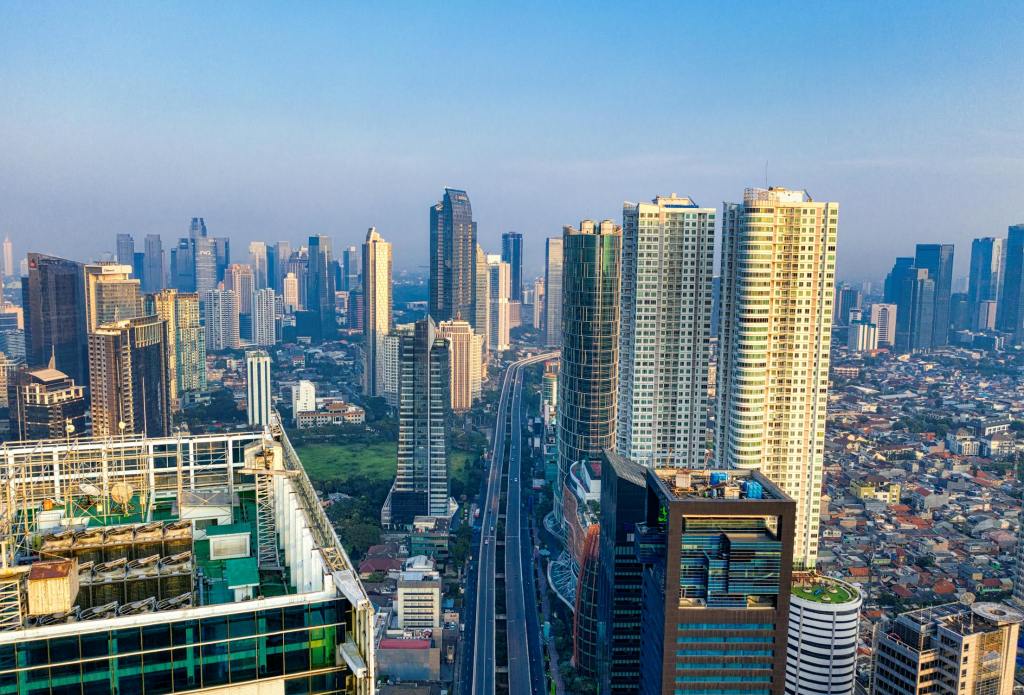
Furthermore, Seeds.id’s operations in Jakarta complement this logistical advantage, capitalizing on Indonesia’s domestic distribution channels to optimize delivery efficiency. Jakarta serves as Indonesia’s commercial heart, home to extensive warehousing and transportation infrastructure. The proximity of Seeds.id’s Jakarta hub to key marketplaces and urban consumer bases significantly reduces delivery timelines, enhancing customer experience—a critical competitive edge in e-commerce. Indonesian consumers, known for their preference for rapid service, typically expect deliveries within 2-5 days. By maintaining stock domestically, Seeds.id comfortably meets or exceeds these consumer expectations, strengthening seller credibility on platforms like Shopee and Tokopedia, where reputation significantly influences purchasing decisions.
The emergence of platforms like Seeds.id illustrates a broader global trend: the democratization of international trade enabled by technology-driven intermediaries. With minimum upfront investment, SMEs from the U.S., Europe, and Asia-Pacific regions can seamlessly test market viability in Indonesia, dramatically reducing financial risk. This is especially appealing amidst ongoing global uncertainties, including trade disputes and tariff barriers. Under Trump’s administration, businesses faced unprecedented levels of economic unpredictability, with U.S. import tariffs rising significantly—reaching averages of 19.3% on Chinese products alone, up from pre-dispute averages of 3.1%. Consequently, international SMEs urgently sought alternative growth avenues, turning to platforms like Seeds.id as gateways to promising markets less impacted by direct tariff confrontations.
Moreover, Seeds.id’s intermediary role significantly mitigates the complexities of Indonesian import regulations and tariffs. Indonesia, while economically promising, presents intricate import protocols, high tax implications, and regulatory hurdles that often deter SMEs from direct entry. Seeds.id simplifies these processes by consolidating goods in Singapore, a well-known free trade environment, before routing them strategically into Indonesia. This streamlined model reduces overall taxation exposure and logistical complications for foreign sellers. Thus, international SMEs enjoy the dual advantage of accessing a profitable market and circumventing both tariff-driven costs and regulatory uncertainties intensified by recent global trade wars.
Additionally, the platform’s cost-effectiveness is appealing for international sellers, especially during economically turbulent periods. Companies such as consumer electronics brands, fashion retailers, and vitamin supplement producers from markets like the U.S. have found particular success through Seeds.id. Brands that previously found direct exports prohibitively expensive or complicated, particularly after the tariff escalation initiated under Trump, have successfully leveraged Seeds.id to establish robust footholds within Indonesia’s vibrant consumer base. American SMEs that initially suffered from reduced competitiveness due to tariffs and high shipping costs found renewed opportunity through Seeds.id’s infrastructure, maintaining price competitiveness while effectively penetrating Indonesian marketplaces.
Seeds.id’s impact extends beyond Indonesia, influencing global e-commerce trends by exemplifying how SMEs can leverage regional hubs like Singapore to navigate international trade barriers. This approach is indicative of a larger shift toward regionalized logistical hubs to counteract the economic disruptions caused by protectionist trade policies. Recent trends indicate increased global SME adoption of similar intermediary platforms across Asia and beyond, indicating Seeds.id’s broader influence on international e-commerce strategies.
In conclusion, Seeds.id effectively bridges the gap between global SMEs and Indonesia’s lucrative e-commerce sector, capitalizing strategically on Singapore’s logistic excellence and Jakarta’s domestic distribution strengths. Amidst escalating global trade tensions, especially those heightened by tariff policies implemented during the Trump administration, Seeds.id has emerged as a practical, efficient, and financially viable gateway into one of Southeast Asia’s most dynamic consumer markets. As global trade complexities persist, the relevance and importance of platforms like Seeds.id are likely to continue rising, redefining how SMEs engage in international commerce with minimized barriers and maximized opportunities.
 Seeds Indonesia
Leave a comment